
Pest Control
Wasp Nest Removal: When to DIY and When to Call a Pro
Quick answer: DIY wasp nest removal is reasonable for small nests (golf-ball to baseball-sized) in accessible, low-traffic areas, treated at dusk with EPA-approved spray from

Quick answer: DIY wasp nest removal is reasonable for small nests (golf-ball to baseball-sized) in accessible, low-traffic areas, treated at dusk with EPA-approved spray from

Quick answer: Standard homeowners insurance does not cover termite damage. Insurers classify termite infestations as a preventable maintenance issue rather than a sudden, accidental event,
Quick answer: DIY pest control often costs less upfront ($20-$100 per product) but requires repeated purchases and frequently fails to resolve infestations, leading to property
Quick answer: The Arizona bark scorpion (Centruroides sculpturatus) is the most venomous scorpion species in North America. Its sting delivers a neurotoxic venom that causes
Quick answer: Hidden infestations often reveal themselves through structural damage rather than visible pests. Warning signs include hollow-sounding wood, unexplained wall bubbling, fine sawdust-like debris,

Quick answer: A professional termite inspection covers the foundation, crawl spaces, attic, wood structures, and moisture-prone areas for mud tubes, discarded wings, frass, and hollow-sounding

Termite bait stations work best for long-term monitoring and colony elimination with minimal chemical use, while liquid treatments deliver faster, more immediate protection by creating

Quick answer: Termite treatment typically costs between $500 and $3,000 in 2026, depending on the treatment method, the size of your home, and the severity
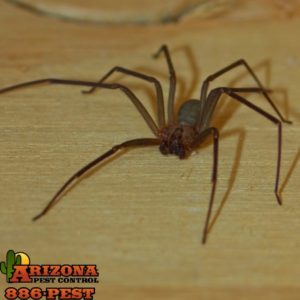
Black widows are shiny black spiders with a red hourglass marking on their abdomen, while brown recluses are tan-to-brown with a dark violin-shaped mark on
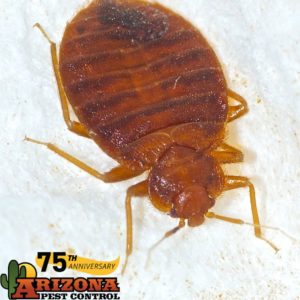
No, bed bugs are not a sign of a dirty home. Bed bugs spread through travel and contact with infested items, not through poor hygiene
Spiders enter homes in search of food, warmth, moisture, and shelter. Common attractants include insects (their prey), clutter that provides hiding spots, gaps in windows
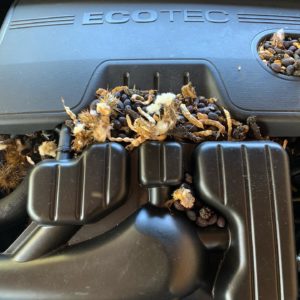
Rodents like mice and rats carry over 35 diseases that can spread to humans through bites, droppings, urine, and contaminated surfaces. Health risks include hantavirus,